
Divisions emerge within Iraqi coalition backing Nouri al-Maliki’s nomination for prime minister
Divisions follow Trump’s threat to end support to Iraq if Maliki is reinstalled
By Laith Al-jnaidi
BAGHDAD (AA) – Divisions have surfaced within a coalition of Shiite parties backing former Prime Minister Nouri al-Maliki, Iraqi media said on Sunday.
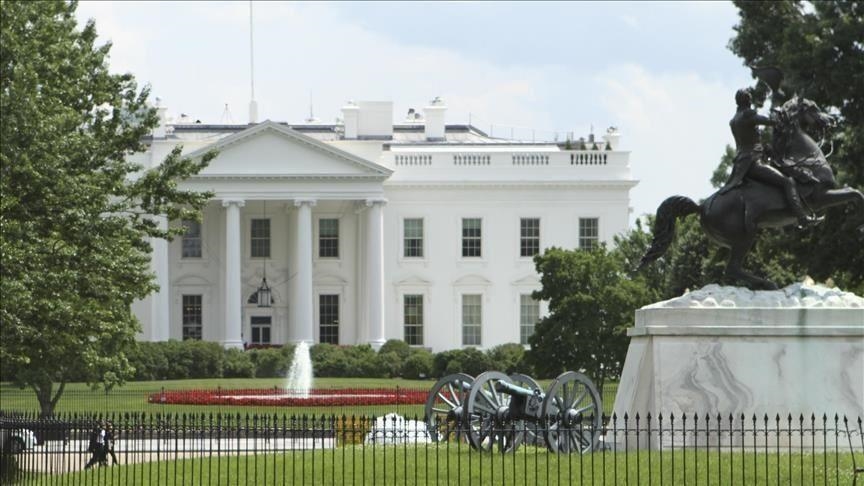
The Coordination Framework has nominated Maliki as Iraq’s new prime minister, but the nomination was opposed by the US, with President Donald Trump threatening to end support to Iraq if Maliki is reinstalled.
According to Iraqi media reports, Ammar al-Hakim, leader of the National Wisdom Movement, boycotted a meeting of the Coordination Framework on Saturday and rejected the nomination of a “controversial figure” for prime minister.
Former Prime Minister Haider al-Abadi, who leads the Victory Coalition, said that “the interests of the people take precedence over individuals.”
The Coordination Framework is the largest and most influential Shiite political alliance in Iraq and plays a central role in selecting the prime minister and forming the government.
The alliance includes the Fatah Alliance — which comprises the Badr Organization and Asaib Ahl al-Haq — Maliki’s State of Law Coalition, the Alliance of National State Forces, which includes Hakim’s movement and Abadi’s Victory Coalition, as well as the Ata Movement led by Faleh al-Fayyadh, Kataib Hezbollah, and Harakat al-Nujaba.
On Sunday, the Iraqi news website Shafaq News, citing an unnamed political source, said Hakim did not attend the Coordination Framework meeting on Saturday evening over his opposition to Maliki’s nomination.
The source said the National Wisdom Movement “refuses to participate in a government headed by Maliki.”
In a statement carried by the website, the Victory Coalition stressed the “need to proceed with constitutional entitlements to approve state authorities.”
However, it added that it prioritizes “the supreme interests of the people and the state when dealing with any candidate or future governing formula, away from dependency, narrow partisanship, or personal interests, especially under the exceptional circumstances facing Iraq and the region.”
“We also affirm that the interests of the people take precedence over the interests of individuals, and that the state is a trust that must not be gambled with under any circumstances,” the statement added.
Maliki served two terms as prime minister from 2006 to 2014, a period marked by major security challenges, including the rise of the ISIS (Daesh) terror group, which seized large swaths of the country before Iraq declared victory over it in 2017.
Under Iraq’s power-sharing system, the presidency is held by a Kurd, the prime minister is a Shiite and the speaker of parliament is a Sunni.
Parliament is expected to convene in the coming days to elect a president, who will then task the nominee of the largest parliamentary bloc with forming a government within 15 days.
*Writing by Rania Abushamala in Istanbul
Kaynak:
This news has been read 149 times in total






Türkçe karakter kullanılmayan ve büyük harflerle yazılmış yorumlar onaylanmamaktadır.