
Israel pushed Trump toward Iran war for months: Report
Officials, diplomats label US decision to strike Iran as significant victory for Netanyahu
By Yasin Gungor
ISTANBUL (AA) - Israeli Prime Minister Benjamin Netanyahu played a central role in steering US President Donald Trump toward war with Iran, personally lobbying him for months and working to ensure that diplomatic talks did not derail plans for a military offensive, the New York Times reported Monday.
The report, based on accounts from people with direct knowledge of the deliberations, including American and Israeli officials, diplomats, lawmakers and intelligence figures, describes the US decision to strike Iran as a significant victory for Netanyahu.
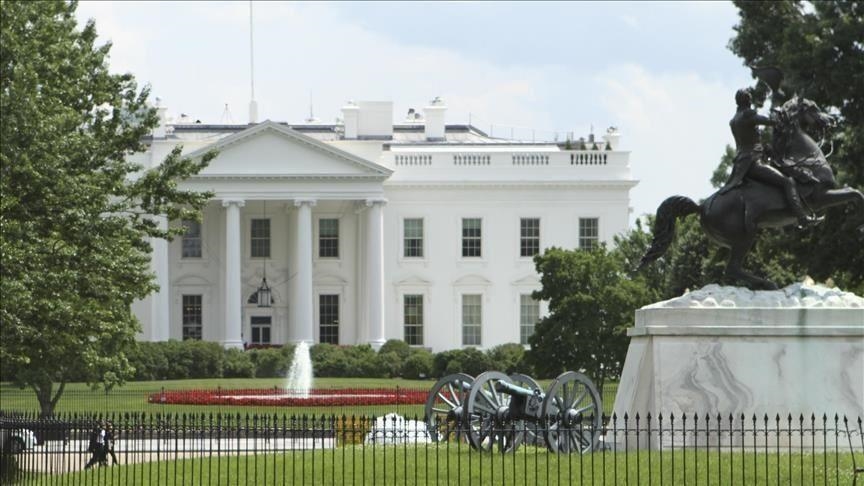
When Netanyahu walked into the Oval Office on Feb. 11, his goal was clear: to keep Trump committed to military action even as the US had just begun nuclear negotiations with Iran under Omani mediation. The two leaders discussed possible dates for a strike and the slim prospects of a diplomatic resolution over nearly three hours, the Times reported.
Netanyahu had first raised the prospect of hitting Iran's missile sites during a visit to Trump's Mar-a-Lago estate in December. Two months later, he secured something far more expansive: a full US partner in a campaign to bring down the Iranian leadership.
Coordination between the two countries ran deep. When Netanyahu determined in January that Israel needed more time to bolster its missile interceptors and air defenses, he called Trump and asked him to delay any strike. Trump agreed. In the weeks that followed, senior Israeli military and intelligence officials traveled to Washington, and the Israeli military chief communicated regularly with the head of US Central Command.
Despite three rounds of nuclear talks held in Muscat and Geneva under Omani mediation, the last of which concluded just two days before the strikes, the Times reported that there was never realistic space for a deal that could simultaneously satisfy Trump, Netanyahu and Iranian leaders. After the talks, envoys Steve Witkoff and Jared Kushner told Trump a deal was out of reach.
Trump's appetite for military action was also fueled by his own confidence following the US's capture of Venezuelan President Nicolas Maduro in January, a success he reportedly saw as a model for what could be achieved in Iran.
In addition, few voices in Trump's inner circle pushed back. Even Vice President JD Vance, long skeptical of Middle East military interventions, ultimately argued that if the US was going to act, it should "go big and go fast."
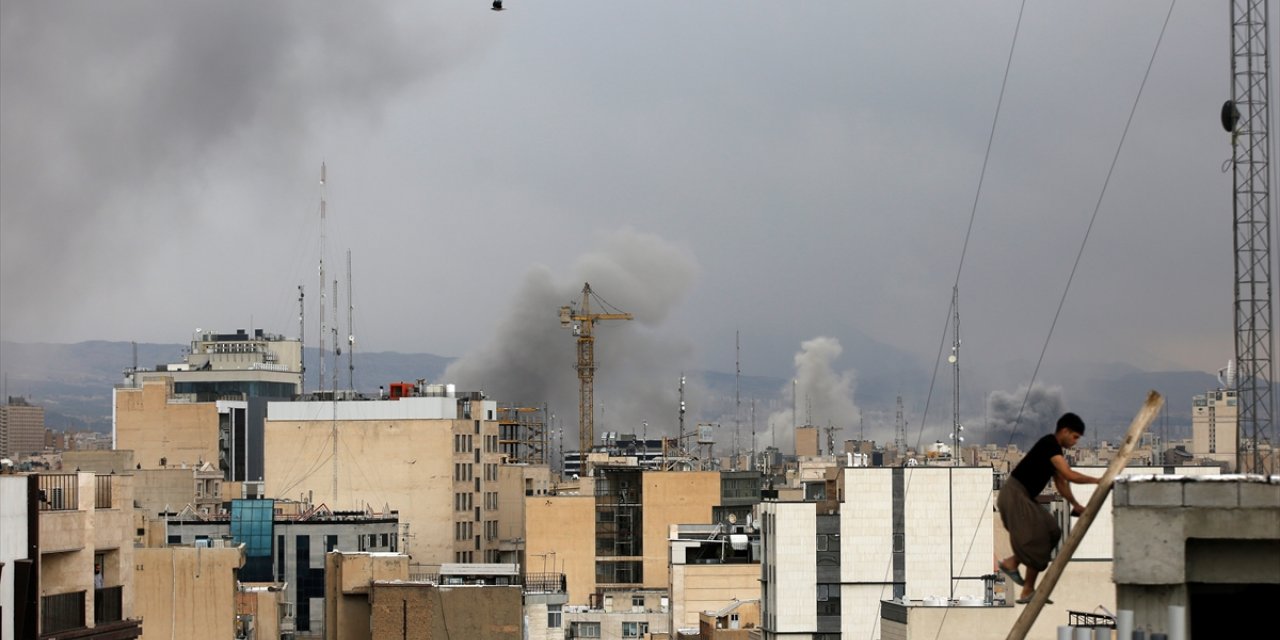
Operation Epic Fury was launched on Saturday, killing several senior Iranian officials, including Supreme Leader Ayatollah Ali Khamenei. Six US service members have been killed since operations began, with Trump warning that more casualties are likely as the campaign, expected to last four to five weeks, continues.
Kaynak:
This news has been read 106 times in total



Türkçe karakter kullanılmayan ve büyük harflerle yazılmış yorumlar onaylanmamaktadır.