
Lebanese army chief discusses military, security ties with US officials in Washington
Meetings focus on regional security, support for army, and Lebanon’s challenges as US senator criticizes stance on Hezbollah
By Wassim Seifeddine
BEIRUT (AA)—Lebanese Army Commander Rodolphe Haykal met with senior US officials in Washington, DC, to discuss strengthening military and security cooperation between the two countries, regional security developments, and the challenges facing the country, the Lebanese army said on Friday.
Haykal visited the US from Feb. 2 to Feb. 5 at the invitation of the US Joint Chiefs of Staff, as part of efforts to support military cooperation and review current security challenges, according to an army statement.
The visit aimed to bolster Lebanese-US military and security relations and continue dialogue between the two armies’ leaderships, within the framework of ongoing consultation and coordination with international partners.
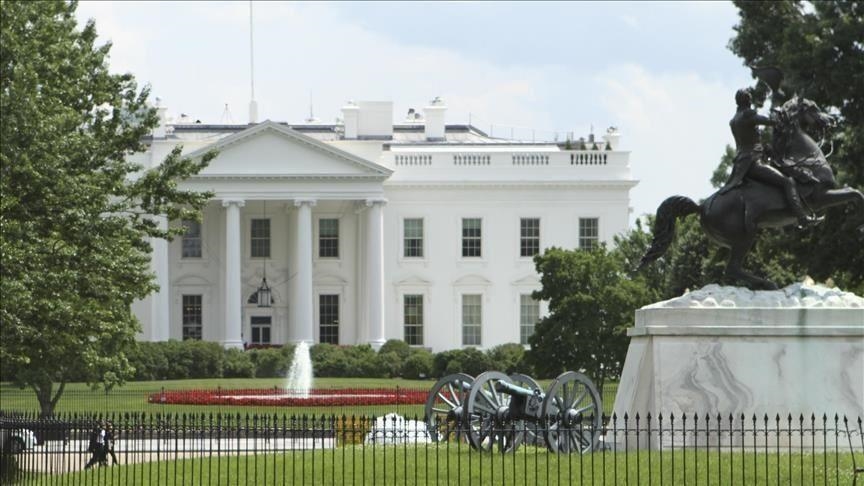
During the visit, Haykal held a series of meetings with White House advisers, officials from the US Defense and State departments, members of the Senate and House of Representatives, the National Security Council, and military and security officials.
The talks addressed ways to enhance military cooperation and support the Lebanese army’s capabilities, as well as regional security developments and the challenges Lebanon faces.
Discussions also focused on the army's role in ensuring security and stability, defending state sovereignty and territorial integrity, and maintaining civil peace, given Lebanon’s sensitive internal situation.
The visit falls within broader outreach to international partners to serve Lebanon’s interests and strengthen the military institution’s ability to carry out its national duties and extend state authority across Lebanese territory.
On Thursday, US Sen. Lindsey Graham criticized Haykal following a meeting in Washington. Graham said on US social media company X that he quickly ended the meeting after Haykal declined to say that Hezbollah is a “terrorist organization.”
“As long as this attitude exists from the Lebanese Armed Forces, I don’t think we have a reliable partner in them,” Graham wrote, adding that he is “tired of the double speak in the Middle East. Too much is at stake.”
Haykal was originally scheduled to visit Washington in Nov. 2025, but the trip was canceled after objections from US officials, including Graham, over his performance.
In Aug. 2025, Lebanon’s government approved a decision to restrict weapons to the state, including arms held by Hezbollah, and tasked the army with implementing the plan in five phases.
Haykal is expected to present a report on the plan to the Cabinet next week, including progress in the first phase south of the Litani River and steps to begin the second phase north of the river.
Late in 2025, the Lebanese army said the first phase of the plan south of the Litani had “achieved its objectives and entered an advanced stage,” warning that Israeli attacks and occupation of Lebanese positions were “negatively affecting” its completion.
Hezbollah has said on multiple occasions that it will retain its weapons and has called for an end to Israel’s actions in Lebanon and a withdrawal from occupied areas.
A 2024 ceasefire between Lebanon and Israel has put an end to more than a year of attacks that have killed over 4,000 people and injured 17,000 more, against the backdrop of Israel's war in Gaza.
The Israeli army was supposed to withdraw from southern Lebanon in Jan. 2025 under the ceasefire, but instead only partially pulled out and continues to maintain a military presence at five border outposts.
* Writing by Mohammad Sio in Istanbul
Kaynak:
This news has been read 114 times in total



Türkçe karakter kullanılmayan ve büyük harflerle yazılmış yorumlar onaylanmamaktadır.