
OPINION - New geopolitics of Middle East: A review of 2025 and outlook for 2026
Given its historic, geographic, and cultural depth in the Middle East, Türkiye has positioned itself as one of the regional powers capable of countering Israel's destabilizing agenda, while pursuing stability, peace, and security for all countries in the region- In 2026, Israel is expected to continue its highly destructive and destabilizing policies in the West Bank, Gaza, Lebanon, Syria, and other areas of the region, albeit to varying degrees
By Dr. Ali Bakir
- The author is an assistant professor of international affairs, security, and defense at Qatar University.
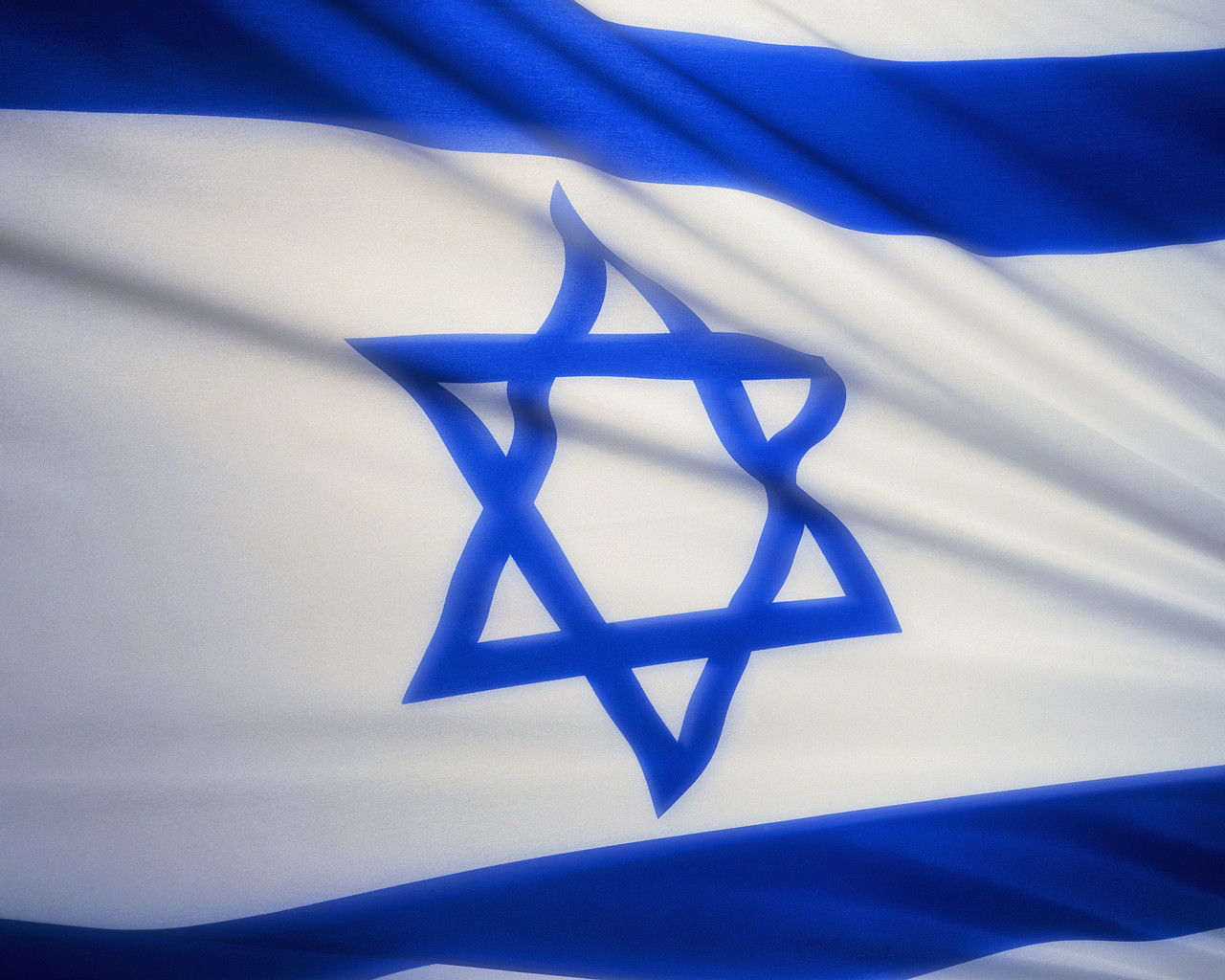
ISTANBUL (AA) - In 2025, Israel significantly altered the regional balance of power. Its assertive military posture and expansive doctrine were prominently displayed during a brief yet intense 12-day conflict with Iran in June, which involved direct strikes on Iranian nuclear and military facilities. This, combined with actions that targeted Iranian proxies throughout the region, considerably weakened Tehran's "forward defense" strategy and its regional proxy network.
However, these developments positioned Israel as the ultimate destabilizing force in the region. Israel’s genocidal war on Gaza, coupled with its continued and unprovoked military actions in Lebanon, Syria, and elsewhere, shifted the regional threat perception from Iran to Israel, leading to increased isolation of Tel Aviv both regionally and internationally.
- Abraham Accords losing momentum
Israel's actions, including an unprecedented attack on Qatar, have solidified its image as the principal aggressor and a major contributor to regional instability in the Middle East. These developments have alienated Gulf Cooperation Council (GCC) states, which view Israel's pursuit of hegemony as a direct threat to their interests in maintaining regional stability. As a result, the momentum of the so-called Abraham Accords (2020) has stalled, with key players like Saudi Arabia now prioritizing a pragmatic rapprochement with a weakened Iran over normalization with an unpredictable and hegemonic Israel.
In contrast to Israel's destabilizing policies, Türkiye has emerged as an influential extra-regional power, bolstered by Turkish President Recep Tayyip Erdogan's vision and leadership, a rapidly growing national defense industry, the toppling of the Assad regime at the end of 2024, strengthened ties with Iraq, Egypt, and Gulf countries, and a good relationship with US President Donald Trump. Given its historic, geographic, and cultural depth in the Middle East, Türkiye has positioned itself as one of the few regional powers capable of countering Israel's hegemonic and destabilizing agenda, while pursuing stability, peace, and security for all countries in the region.
- Syria's post-Assad transition
Syria and Gaza, among other issues, remain points of contention between Türkiye and Israel. In 2025, Türkiye, alongside Saudi Arabia and Qatar, played a crucial role in persuading Trump to lift sanctions on Syria, giving the country an opportunity to stabilize and reintegrate into the international community. However, Israel perceives a strong, united, sovereign, and prosperous Syria as a threat. Israel's ultimate goal is to ensure that Syria is weak, fragmented, and a failed state.
Consequently, Israel poses the most immediate and serious threat to Syria's stability and is expected to continue undermining the new Syrian government through various strategies. These include supporting minority factions to promote fragmentation, undermining the government's legitimacy through coercive diplomacy and military aggression, and fostering internal strife to complicate national unity.
In 2025, Türkiye, along with Egypt and Qatar, played a significant role in securing a halt to Israel's genocidal war in Gaza through an agreement facilitated by Trump. However, Israel continued to violate the terms of this agreement throughout Phase One, jeopardizing the transition to Phase Two and the overall accord. It also opposed the potential deployment of Turkish troops in Gaza, further complicating the process.
Alongside the Turkish-Israeli regional competition, several other layers of rivalry have begun to crystallize both in the region and beyond. Sudan has become a focal point for overlapping regional agendas, and some observers frame these as competitions involving Saudi Arabia, Egypt, and Türkiye, at times against the UAE or Israel. Similar dynamics are emerging in the wake of Israel's recognition of the separatist region of Somaliland in the Horn of Africa. Additionally, a third layer of competition is forming as a result of the alliance between Israel, Greece, and Cyprus against Türkiye in the Eastern Mediterranean, as well as ongoing rivalries between Saudi Arabia and the UAE in Yemen and elsewhere in the region.
- Scenarios for 2026
In 2026, Israel is expected to continue its highly destructive and destabilizing policies in the West Bank, Gaza, Lebanon, Syria, and other areas of the region, albeit to varying degrees. Moreover, as long as Netanyahu remains in power and the Iranian nuclear issue remains unresolved, the possibility of a new war against Iran looms. If such a scenario unfolds, it is likely to differ significantly from the earlier 12-day conflict. There are indicators that the Iranian Supreme Leader's camp is attempting to rebuild its proxy network, drawing on what remains of Iran's influence in Lebanon, Iraq, and Yemen.
Meanwhile, the normalization of relations between Saudi Arabia and Iran is expected to persist and withstand regional challenges, representing a pragmatic move that aligns with their interests amid ongoing instability and shared concerns. Riyadh is unlikely to join the Abraham Accords, particularly as the conditions for a Palestinian state remain unmet, not least due to Israeli policy and US domestic constraints, including Congress.
Additionally, the Turkish-Israeli regional competition is anticipated to intensify if Israel is not held accountable and pressured to adhere to international law and cease its destabilizing policies. The alignment between Türkiye, Saudi Arabia, and Egypt, on the other hand, is expected to strengthen as a result of Israel's regional policies. There are increasing indications that intra-Gulf regional competition is poised to intensify, albeit with different dynamics than those observed in 2017, reflecting the contrasting regional agendas of Saudi Arabia and the UAE.
Regarding great power competition in the region, while Russia's influence has significantly decreased following the toppling of the Assad regime and the weakening of Iran, Moscow remains active in various capacities. In contrast, China is gradually increasing its political and security engagement in the region, driven by growing economic interactions, albeit at a slow but steady pace. The role of the United States in regional politics remains critical; however, a supportive or passive approach from Washington concerning Israel's hegemonic and expansive agenda risks allowing the emerging rivalries to escalate, further destabilizing the region with extremely negative implications for US interests.
* Opinions expressed in this article are the authors' own and do not necessarily reflect Anadolu's editorial policy.
Kaynak:
This news has been read 217 times in total





Türkçe karakter kullanılmayan ve büyük harflerle yazılmış yorumlar onaylanmamaktadır.