
Russia’s economic challenges expected to persist into 2026 amid cooling trend
After showing strong resilience until second half of 2024, Russia’s sanction-hit economy entered an overheating phase last year, followed by a period of cooling- Forecasts for 2026 by economic policymakers, international organizations indicate that difficult period for Russian economy to continue
By Emre Gurkan Abay
MOSCOW (AA) – Structural challenges in Russia’s economy are expected to continue into 2026 following a cooling phase that began last year, as the country continues to grapple with comprehensive Western sanctions.
After showing strong resilience to sanctions through the second half of 2024, the Russian economy entered an overheating phase at the beginning of 2025.
The growth cycle, fueled by rapidly increasing state spending in the defense industry and rising domestic demand, gave way to capacity limitations and the effects of tight monetary policy from the second half of 2025 onwards.
According to information compiled by Anadolu, the growth rate, which stood at 3.6% at the end of 2024, fell to 0.6% in the third quarter of 2025, reaching its lowest level in the last two years.
The Russian Economic Development Ministry revised its 2025 growth forecast downward from 2.5% at the beginning of the year to 1% in September due to falling global energy prices and declining investment appetite.
The Russian Central Bank's strict interest rate policy, implemented to curb inflation exceeding 10%, was among the main agenda items for the economy in 2025.
The benchmark policy rate, which began the year at around 21%, stayed at elevated double-digit levels for most of the year amid persistently strong domestic demand and labor shortages.
With annual inflation hovering around 6.5-7% in the last quarter of 2025, Russian Central Bank Governor Elvira Nabiullina signaled that there would be no compromise on monetary tightening, noting that labor reserves were almost completely depleted and production capacities had reached their limits.
Due to this policy, which is also frequently criticized by the Russian business community, investments have come to a standstill, particularly in the non-defense civilian sector, while the percentage of companies operating at a loss has exceeded 30%.
- Stagnation follows slowdown
Forecasts for 2026 by economic policymakers and international organizations indicate that the difficult period for the Russian economy will continue. According to the government's medium-term budget estimates, the economy is expected to grow by no more than 1% this year.
Analysts warn that the slowdown is not merely cyclical but reflects a phase of structural stagnation.
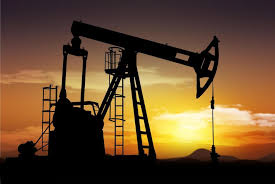
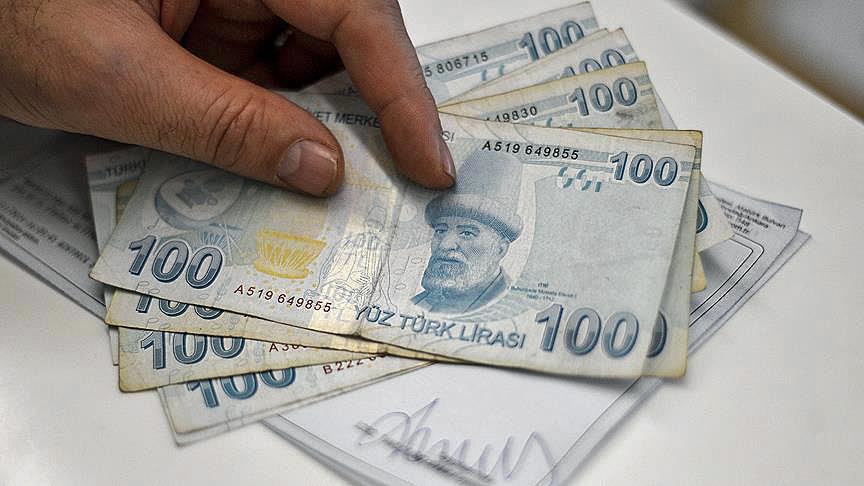
Fluctuations in oil prices and declining natural gas exports due to sanctions continue to put pressure on budget revenues. In addition, the pressure on export revenues caused by the ruble, which gained more than 30% against the dollar last year, continues.
While war expenditures continue to weigh heavily on the budget, a budget deficit of 1.6% of Gross Domestic Product (GDP) is targeted for 2026.
The ratio of public debt to GDP is expected to show a slight increase compared to the 17.7% level at the end of 2025.
Senior banking figures, including VTB President Andrey Kostin and Sberbank CEO German Gref, have argued that the economic slowdown does not amount to a “tragedy.” However, some experts caution that slowing growth in construction and manufacturing due to high interest rates could leave the economy stuck between stagnation and weak growth in 2026.
The central bank’s plan to bring inflation down to 4% by the end of 2026 seems possible with further suppression of domestic demand, but this scenario could mean lower real wage growth and more expensive credit options for Russian consumers in 2026.
As Russia closes 2025 operating at the limits of its “war economy” model, 2026 is expected to be a year in which the sustainability of that model is tested and the effects of sanctions become more deeply felt.
- Domestic production and industrial push
Despite signs of cooling, the Kremlin declared 2025 and 2026 as “years of technological sovereignty” and rolled out various incentive packages.
Filling the void left by Western companies, local entrepreneurs have increased their market share to record levels, particularly in the food, textile, and service sectors.
Low-interest investment loans and tax exemptions provided by the government to strategic sectors have led to increased capacity in some branches of industrial production, contrary to the stagnation seen elsewhere.
While Russia's foreign trade balance has been virtually rebuilt since 2022, trade volumes with China, India, and Middle Eastern countries reached historic highs by the end of 2025. Thus, Russia, which has largely managed to break the isolation effect of sanctions, has begun to deliver energy, as well as agricultural and raw material products, to new markets through major infrastructure projects on the North-South Transport Corridor and the Northern Sea Route.
The shortage of personnel caused by the country's low unemployment rate has prompted companies to invest in automation and artificial intelligence, boosting productivity, while many industrial enterprises have managed to reduce production costs through digitalization.
Experts expect this technological transformation to help ease cost inflation in the second half of 2026.
The agricultural sector, which has become the driving force behind the increase in non-energy revenues, continues to be one of the brightest sectors of the Russian economy in 2025 with high harvest figures.
Russia's increased share in the global wheat market and its expansion into new markets such as halal food also support rural development in the country.
The government's social assistance programs, which it has maintained without compromising budget discipline, and inflation-driven increases in the minimum wage have prevented household consumption from coming to a complete halt.
Increasing the share of the public budget allocated to families with children this year is also expected to support the vitality of the domestic market.
Kaynak:
This news has been read 164 times in total



Türkçe karakter kullanılmayan ve büyük harflerle yazılmış yorumlar onaylanmamaktadır.