

US science faced turmoil in 2025 as Trump administration made radical changes to research policy, funding: Report
Sweeping funding cuts, policy changes drew criticism from scientists, universities, and former top health officials, while other countries woo disaffected US scientists
By Anadolu staff
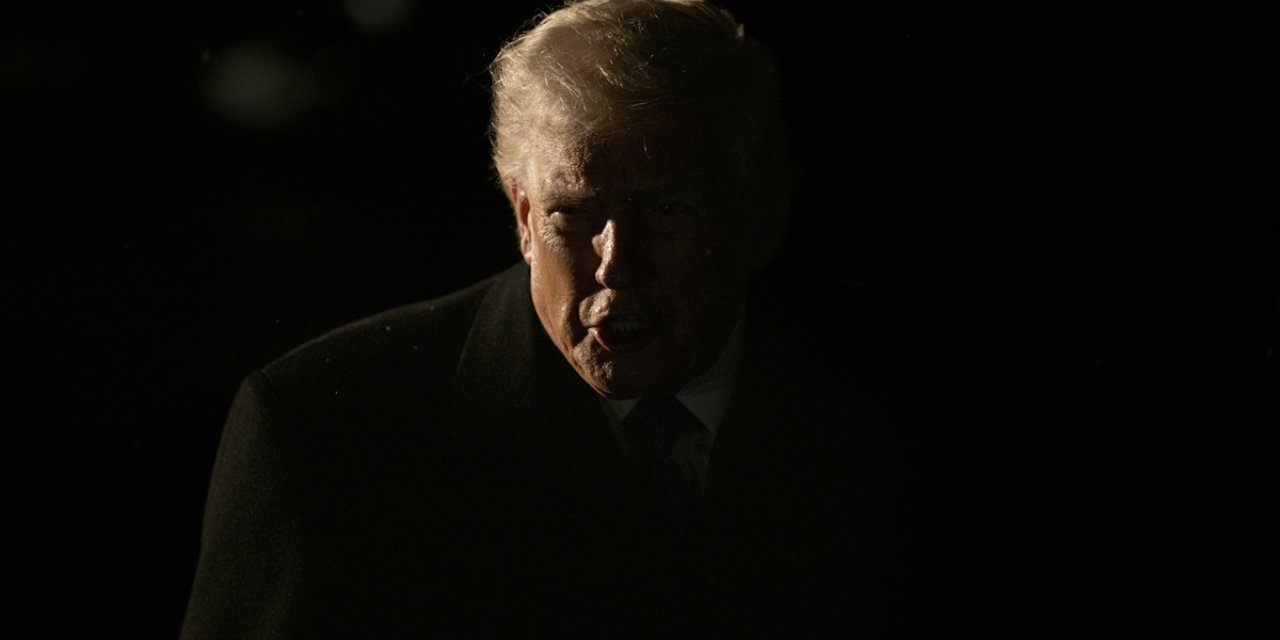
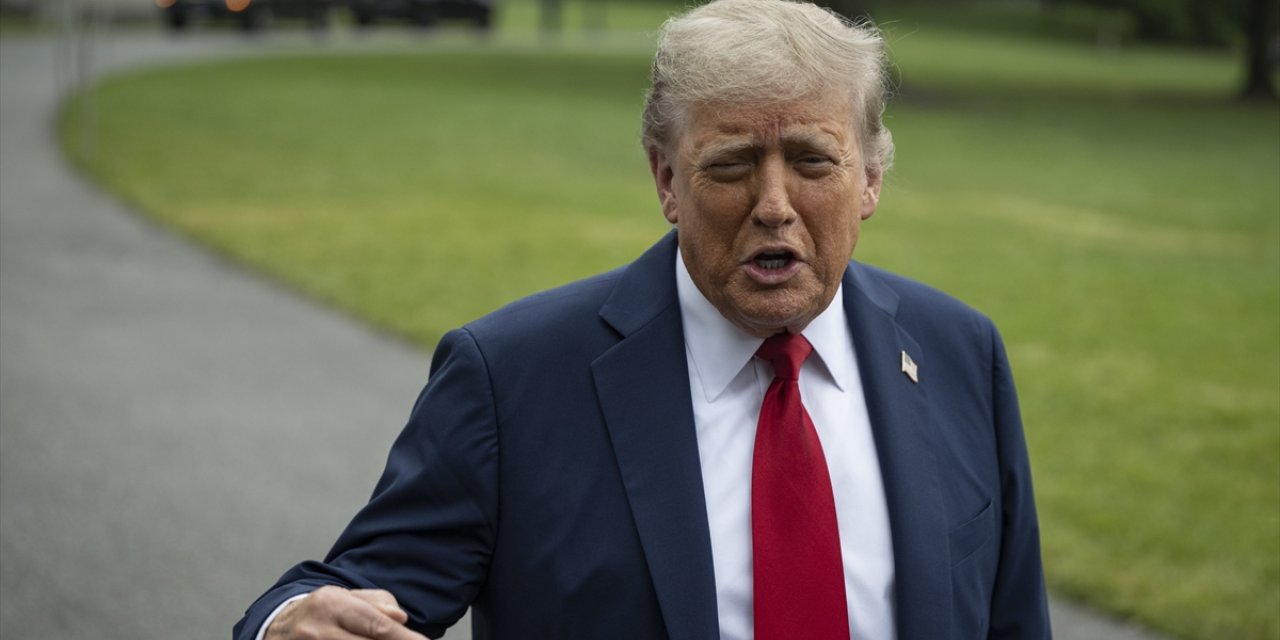
ISTANBUL (AA) - The US scientific community faced one of its most turbulent periods in decades in 2025, as the second Trump administration introduced sweeping changes to federal research policy and funding, according to a report in the journal Nature on Monday.
Early in the year, thousands of research grants at major agencies, including the National Institutes of Health (NIH) and the National Science Foundation (NSF), were frozen or canceled, triggering uncertainty across universities and prompting legal challenges over the future of federal research support.
The measures included dismantling the US Agency for International Development (USAID), arresting some foreign scholars, and using funding cuts to pressure universities over policies on hiring, admissions, and campus governance.
Defending the actions, the administration claimed the moves were aimed at enhancing science and innovation, although its relationship to science and evidence has been strained at best, including on such key issues as climate change, which the administration has dismissed as a hoax.
“The Trump administration is committed to cutting taxpayer funding of left-wing pet projects that are masquerading as ‘scientific research’ and restoring the American people’s confidence in our scientific and public-health bodies that was lost during the COVID era,” White House spokesperson Kush Desai said in a statement to Nature.
The administration’s actions have met growing resistance, with universities including Harvard filing lawsuits over canceled grants, scientists and former senior health officials criticizing climate and health policies, and legal challenges mounting against mass firings and funding cuts at federal science agencies into areas such as cancer and Alzheimer’s disease research.
In a separate statement to Nature, the US Department of Health and Human Services defended the policies, with spokesperson Richard Danker rejecting criticism from former surgeons general.
He also said Health Secretary Robert F. Kennedy Jr. has a mandate to reform the public health system after the country “became the sickest country in the world.”
Kennedy, who lacks a medical degree or any experience in public health, is currently under fire for flouting the scientific consensus on vaccines in favor of fringe theories, with several US lawmakers calling for his resignation.
While the long-term impact on US science and its workforce remains unclear, several countries, including Canada, China, and European nations, have begun efforts to attract affected US researchers.
Warning of a “perfect storm” for US science, former NIH director Elias Zerhouni told Nature that the administration is undermining the system on multiple fronts, although he said calls to reform the NIH to cut bureaucracy and support cutting-edge research are not without merit.
Kaynak:
This news has been read 235 times in total




Türkçe karakter kullanılmayan ve büyük harflerle yazılmış yorumlar onaylanmamaktadır.