
WHO issues first guidelines on GLP-1 therapies for obesity
UN health agency urges comprehensive, lifelong care, warning medication alone will not solve crisis
By Beyza Binnur Donmez
GENEVA (AA) - The World Health Organization (WHO) on Monday released its first guidelines on the use of Glucagon-Like Peptide-1 (GLP-1) therapies for treating obesity, responding to what it calls a growing global health crisis affecting more than 1 billion people.
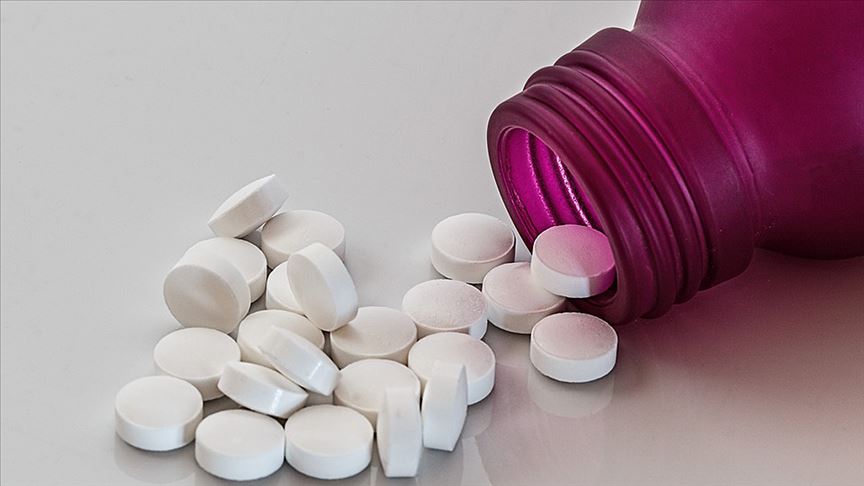
Obesity was linked to 3.7 million deaths in 2024, and the WHO warned that without decisive action, the number of people living with the condition could double by 2030. The GLP-1s are medicines that help people feel fuller for longer.
"Obesity is a major global health challenge that WHO is committed to addressing … Our new guidance recognizes that obesity is a chronic disease that can be treated with comprehensive and lifelong care," WHO Director-General Tedros Adhanom Ghebreyesus said in a statement.
He added that while "medication alone won't solve this global health crisis, GLP-1 therapies can help millions overcome obesity and reduce its associated harms."
The guidelines said GLP-1 therapies may be used for the long-term treatment of obesity in adults, except pregnant women, though the WHO noted the advice is conditional due to limited long-term safety data, costs, and potential equity concerns.
The WHO also said intensive behavioral interventions, including structured healthy diet and physical activity programs, may be offered alongside the medications to enhance outcomes.
The agency emphasized that obesity is a complex, chronic disease driving cardiovascular illnesses, type 2 diabetes and some cancers, and contributing to worse outcomes from infectious diseases. The economic toll is projected to reach $3 trillion annually by 2030.
The agency stressed the need for healthier environments, early interventions for high-risk groups, and lifelong, person-centered care.
It also called for urgent action to ensure equitable access to GLP-1 therapies, warning that fewer than 10% of those who could benefit are expected to receive them by 2030.
In September, the WHO added GLP-1 therapies to its Essential Medicines List for managing type 2 diabetes in high-risk groups.
Kaynak:
This news has been read 184 times in total








Türkçe karakter kullanılmayan ve büyük harflerle yazılmış yorumlar onaylanmamaktadır.