
WTO faces uncertainty, challenges in global trade in its 31st year
‘Arbiter’ of world trade overshadowed by rising trade protectionism, regional agreements reshaping global trade
By Nuran Erkul and Emir Yildirim
LONDON (AA) — The World Trade Organization (WTO) faces mounting challenges amid uncertainty in global trade, having wrapped up a year riddled with US tariffs, US–China tensions, and pressures on supply chains, as the globe’s “trade arbiter” turns 31 on the first day of 2026.
The WTO was founded on the basis of the General Agreement on Tariffs and Trade (GATT), which came into effect in 1948. The rising importance of trade in services, intellectual property (IP) rights, and investment relations necessitated a more comprehensive framework.
Following the Uruguay Round negotiations held between 1986 and 1994, the WTO officially began operations on Jan. 1, 1995, replacing GATT and becoming the central institution governing global trade. The organization has since operated for more than three decades to promote rules-based trade.
The WTO has 166 members, representing about 98% of global trade. All members join the organization through negotiations, and around 20 countries are currently in the accession process.
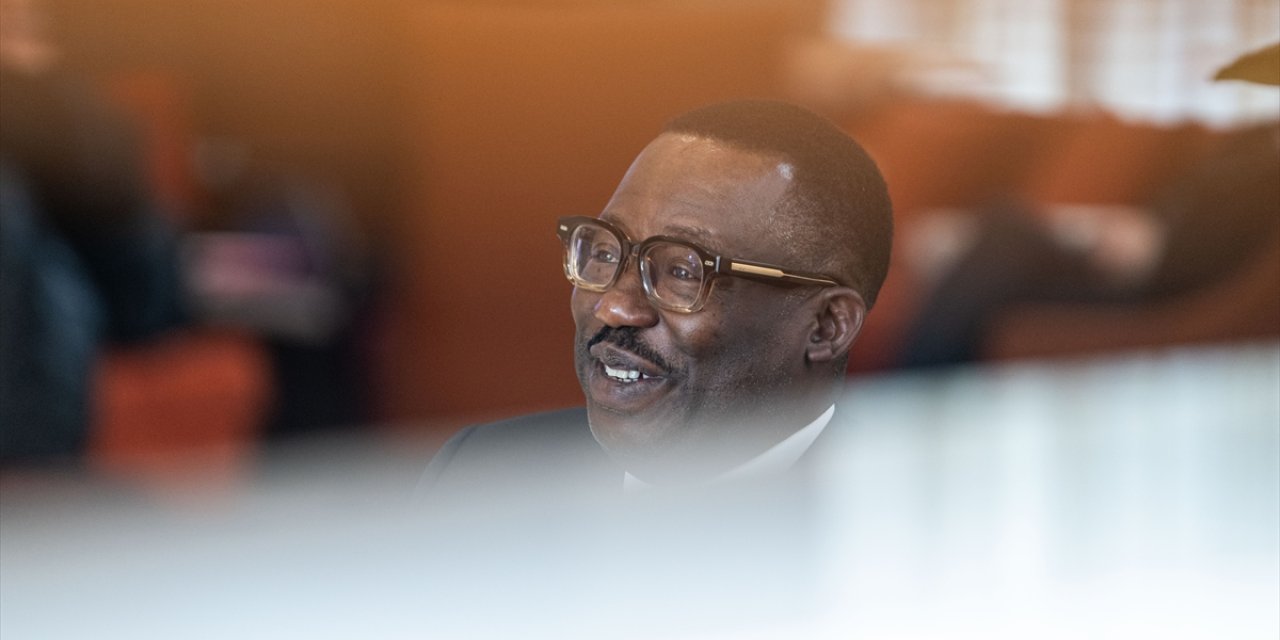
Ngozi Okonjo-Iweala has served as WTO Director-General since March 1, 2021, becoming the first woman and the first African to hold this post. She is the organization’s seventh Director-General.
Okonjo-Iweala was reappointed before her term expired on Aug. 31, 2025, and began her second four-year term on Sep. 1, 2025.
The WTO’s main decision-making body, the Ministerial Conference, usually meets every two years. The General Council convenes several times a year in Geneva, with key decisions made by consensus. The General Council can also convene as the Dispute Settlement Body to resolve disputes between member states.
The WTO’s core functions include setting trade rules between countries, ensuring trade flows freely and predictably, and resolving trade disputes. The Dispute Settlement System is one of the organization’s key mechanisms.
Several recent uncertainties due to structural problems, rising protectionism in trade, tariff tensions between the US and China, and supply chain disruptions have tested the WTO this year.
The US has reportedly been pressuring the WTO to reform its Appellate Body by blocking the proposals to fill vacant positions over the past few years.
The terms of two Appellate Body members expired in December 2019, leaving only one member in the otherwise seven-member Appellate Body by November 2020, and none thereafter. As it currently stands, the Appellate Body has no members.
The WTO requires a minimum of three Appellate Body members to hear an appeal from a Dispute Settlement Body panel. Appeals have therefore been stalled since 2019, rendering the mechanism largely dysfunctional and intensifying debate over the organization’s enforcement power.
The US’ blocking of new appointments rendered the mechanism inoperable, and the WTO’s limited progress in producing common rules in emerging areas such as digital trade, e-commerce, public subsidies, and climate policies has fueled criticisms that the WTO is lagging behind the times.
Conflicts of interest between developed and developing countries were also obstacles in the WTO’s reform efforts.
Rising protectionism in global trade and regional agreements reshaping global trade have threatened the WTO’s central role, while uncertainties over whether the organization can continue to play its arbiter role continue to be the crux of its future.
- Trump’s tariffs in 1st and 2nd terms
US President Donald Trump imposed tariffs on steel and aluminum during his first term, with China among the primary targets.
Trade wars escalated with retaliation from other countries after China’s counter move against the US, undermining the central role of the WTO.
Trump accused the WTO of enabling China’s trade practices and, during his second term, announced a new wave of tariffs that further intensified global trade tensions.
The US’ average effective tariff rate was below 3% at the end of 2024, but rose to 16.8% in 2025, its highest level since 1935.
Trump unveiled sweeping reciprocal tariffs on US trading partners on April 2, followed by additional measures on July 31.
The tariffs varied between a 10% base rate to as high as 50%, with particularly steep rates applied to China, triggering a renewed tariff war.
Washington raised tariffs on Chinese goods to 145%, while Beijing responded by increasing tariffs on US imports to 125%. Tensions later eased after the two sides reached a provisional agreement through negotiations.
Trump also imposed various tariffs on steel, aluminum, imported cars, light commercial vehicles, basic auto parts, copper, certain pharmaceuticals, raw and processed lumber, and medium and heavy-duty vehicles and their parts.
Amid these developments, the WTO revised its global trade growth forecasts several times throughout the year.
According to the organization’s latest analysis, global trade in goods is expected to grow by 2.4% in 2025 and by just 0.5% next year, driven by ongoing uncertainty over tariffs and trade policies.
Kaynak:
This news has been read 174 times in total



Türkçe karakter kullanılmayan ve büyük harflerle yazılmış yorumlar onaylanmamaktadır.